Wedding Invitation Wording: What to Say and How to Say It

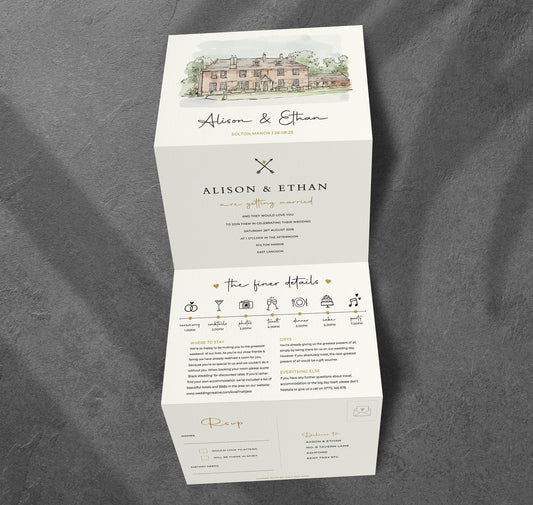
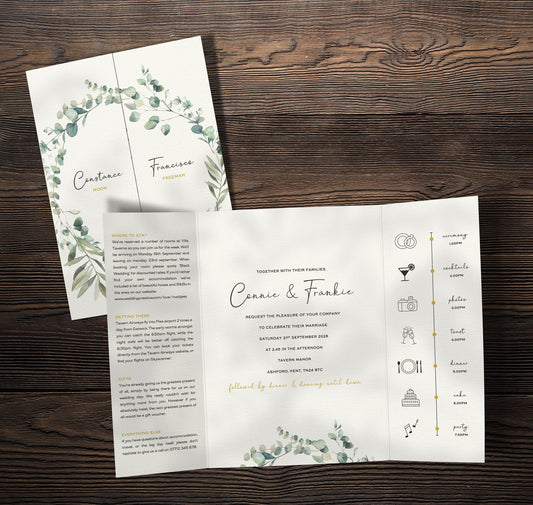
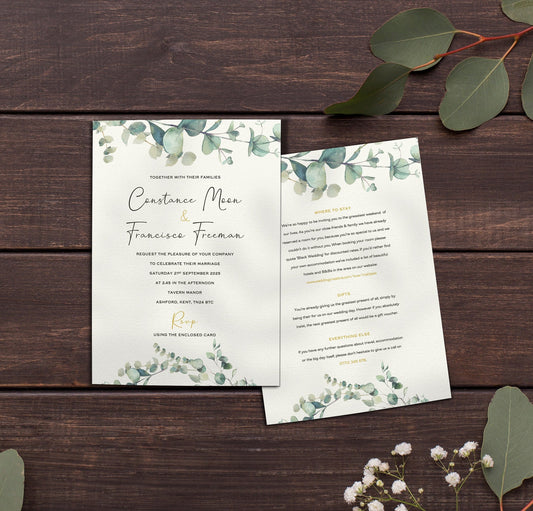
Modern invitation wording is all about simple, clear and personal phrasing that reflects contemporary style. Rather than formal language, modern wording focuses on essential details presented in a warm and straightforward way. Here are elegant modern wording examples you can use or adapt for your own wedding invitations.

This guide walks you through what to include and how to phrase it, so your invitation feels personal, clear and true to your celebration.

Modern Invitation Wording for Wedding Invitations

Modern invitation wording is clean, simple and focuses on clarity and personality. It often avoids overly formal phrasing in favour of warm, minimalist language that reflects contemporary wedding styles. Below are stylish examples to inspire your own wording.

What Is Modern Wedding Invitation Wording?

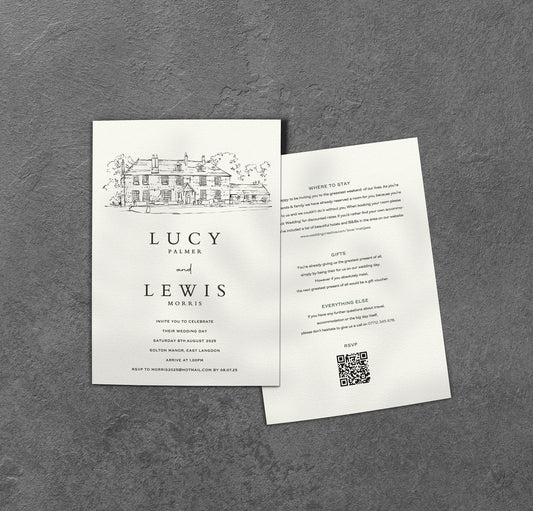
Modern wedding invitation wording favours clean, clear language without unnecessary formality. It often reflects a couple’s personality, uses shorter sentences, and focuses on essential details like names, date, time and location with a warm but simple tone.

The Essentials to Include

  • Who’s hosting: Traditionally, the parents of the couple are listed as hosts, but many modern couples choose to host themselves or mention everyone involved.
  • The couple’s names: Whether you go full names or first names only, make sure they’re front and centre.
  • The invitation line: Phrases like “request the pleasure of your company” or “would love you to join them” help set the tone.
  • The date and time: Be clear and consistent. For formal invites, write the date in full (e.g. Saturday, the Twelfth of September, Two Thousand Twenty-Five).
  • The venue: Include the full address if guests may not know it by name.
  • RSVP details: Add a reply deadline and instructions for how to respond... whether by post, email or RSVP card.

Optional Extras

  • Dress code: Only include this if it's important for the style or setting of your day.
  • Reception details: If your ceremony and reception are at different venues, note both clearly.
  • Wedding website: You can mention this briefly for more info like accommodation, travel or gift lists.

Examples of Wording Styles

While traditional wedding invitation wording uses more formal phrasing (“request the honour of your presence”), modern invitation wording embraces simplicity, clarity and personality. The following examples show how you can write contemporary invitations with warmth and style.

Modern Casual Wording

You’re invited to celebrate with us
Emily & James
Saturday 21st June 2026
at 3:30pm
The Orchard Gardens
Dinner and dancing to follow

Modern Minimalist Wording

Please join us
Emily & James
21.06.2026
3:30pm
The Orchard Gardens
Reception to follow

Modern Relaxed Wording

Let’s celebrate!
Emily & James
Saturday 21st June at 3:30pm
The Orchard Gardens

Contemporary Evening Wording

Drinks, dancing and celebration
from 7:00pm
The Orchard Gardens

There’s no single ‘right’ way to word a wedding invitation. What matters most is that it reflects your day and gives guests all the information they need... with a little personality along the way.

Modern Invitation Wording FAQs

What is considered modern wedding invitation wording?

Modern wedding invitation wording uses simple, clear and personal language, often avoiding overly formal phrasing.

How do I make my wedding invitations feel modern?

Choose concise wording, clean design, and focus on essential details with a warm tone.

Wedding Invitation Wording
Back to blog

Once you’ve chosen your wording, selecting an invitation design that complements your tone helps create a cohesive first impression for your guests.

  • What should wedding invitation wording include?

    Wedding invitation wording should clearly include the names of the couple, the date and time of the wedding, the ceremony venue, and reception details if they are taking place at the same or a different location. Many couples also include RSVP instructions and dress code information to avoid confusion for guests.

  • How do you word wedding invitations politely?

    Polite wedding invitation wording focuses on warmth and clarity. Traditional wording often uses formal language and third person phrasing, while modern invitations tend to be more relaxed and conversational. The key is to choose wording that reflects your personality while remaining respectful and easy to understand.

  • Should wedding invitations be formal or informal?

    Wedding invitations can be formal or informal depending on the style of your celebration. Formal wording suits traditional ceremonies and classic venues, while informal wording works well for relaxed weddings, countryside celebrations or modern venues. Consistency between your wording and overall wedding style is more important than formality itself.

  • How do you word wedding invitations for evening guests?

    Evening wedding invitation wording should clearly state that guests are invited to join the celebration later in the day. It is important to include the time, venue and any relevant details, while gently acknowledging that the ceremony has already taken place earlier. Clear wording helps avoid confusion and ensures guests feel welcome.

  • Do day and evening wedding invitations need different wording?

    Yes, day and evening wedding invitations should use different wording. Day invitations include ceremony details and full timings, while evening invitations focus on the celebration that follows. Using tailored wording for each group ensures guests understand exactly which part of the day they are invited to attend.

  • How do you word wedding invitations without mentioning gifts?

    If you prefer not to mention gifts on your wedding invitations, it is perfectly acceptable to leave this information out entirely. Many couples choose to share gift preferences on a separate wedding website or simply rely on guests to decide for themselves. Wedding invitation wording should focus on the celebration rather than expectations.

  • Can wedding invitation wording be personalised?

    Wedding invitation wording can absolutely be personalised. Many couples choose to adjust phrasing to reflect their relationship, cultural traditions or family involvement. Personalised wording helps your invitations feel more meaningful and sets the tone for your wedding day from the very first impression.

  • When should wedding invitations be sent?

    In the UK, wedding invitations are typically sent 8 to 12 weeks before the wedding date. If you have already sent save the dates, sending invitations closer to the 8 week mark is usually sufficient. Clear wording ensures guests can respond confidently within your chosen timeframe.

Designed Wedding Invitations, Made Personal

At TavernCreative, we design wedding invitations that balance beautiful design with thoughtful wording. Many couples choose to personalise their invitations to reflect their style and the tone of their day.

Written by TavernCreative – UK Wedding Stationery Designers