What Should Be Included in a Wedding Invitation

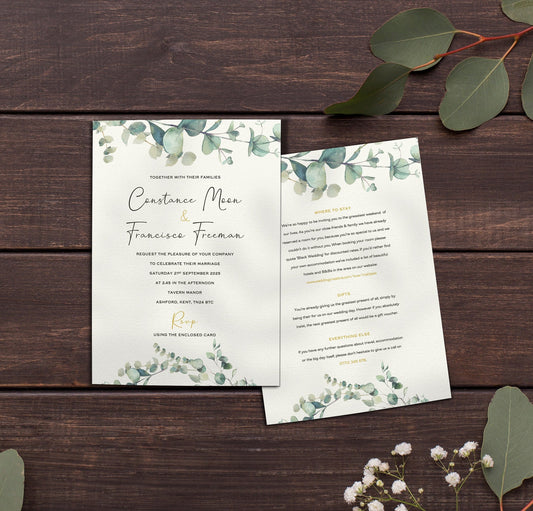
If you are unsure what should be included in a wedding invitation, you are not alone. Many couples worry about missing something important or including too much. This guide explains the essential details every UK wedding invitation needs, what is optional, and how modern stationery trends are simplifying things.

What Should Be Included in a Wedding Invitation at a Minimum

At its core, a wedding invitation only needs to communicate the key details clearly. Everything else is optional.

  • The names of the couple getting married
  • The wedding date
  • The ceremony location
  • The ceremony start time

If your invitation includes these four elements, guests will understand what they are being invited to.

Reception Details: Include Them or Not

If your reception is at the same venue as the ceremony, it is common to include a simple line such as “Reception to follow”.

If the reception is at a different location, you should include:

  • The reception venue name
  • The reception address
  • The start time if it differs significantly from the ceremony

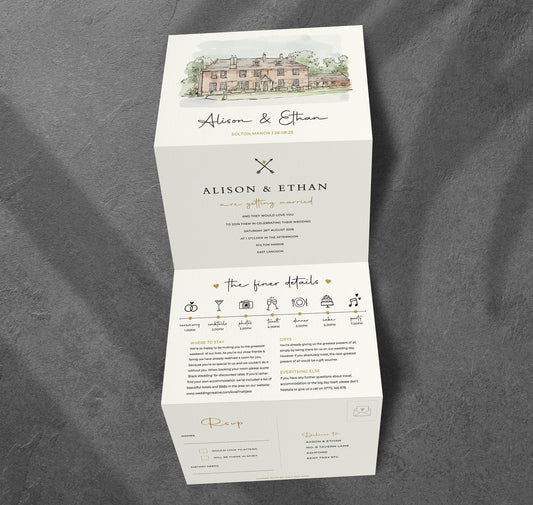
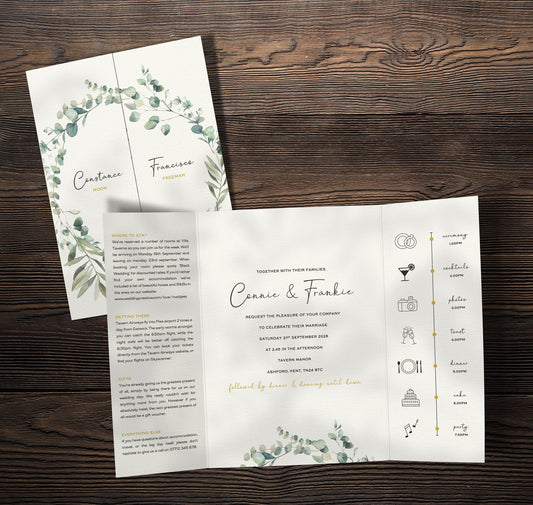
Some couples choose to place reception details on a separate card or on a wedding website to keep the main invitation uncluttered.

Do You Need an RSVP on the Invitation

Traditionally, RSVP cards were included with wedding invitations. Today, many couples use digital RSVPs instead.

You can include:

  • A printed RSVP card
  • An RSVP deadline printed on the invitation
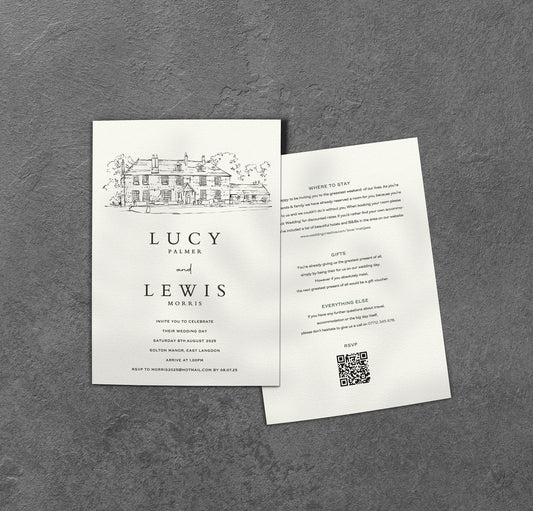
  • A QR code or website link for online replies

There is no right or wrong choice. Digital RSVPs are increasingly popular in the UK and help reduce printing and postage costs.

Dress Code and Additional Information

Dress codes are optional but can be helpful, especially for formal weddings or unusual venues.

If you include a dress code, keep it simple and clear. Avoid overly formal wording unless it reflects the tone of your day.

Other optional details include:

  • Accommodation information
  • Transport notes
  • Unplugged ceremony requests

Many couples prefer to move these details to a separate card or wedding website rather than crowding the invitation.

Gift Information and Etiquette

In the UK, gift information is rarely included directly on the invitation itself. Instead, it is usually shared via a wedding website or separate details card.

This approach keeps the invitation focused on the celebration while still providing guests with the information they may be looking for.

How Modern Wedding Stationery Is Changing What’s Included

Modern wedding stationery tends to be simpler and more intentional. Couples are choosing fewer printed pieces, clearer layouts and digital support for extra information.

This often results in:

  • One main invitation card
  • A website link or QR code for further details
  • Less duplication across printed items

The focus is on clarity, calm design and a better guest experience. View our full guide on modern wedding invitation wording here.

Common Mistakes to Avoid

  • Including too much text on one card
  • Burying key details in decorative layouts
  • Using unclear or overly formal wording

Your invitation should be easy to read at a glance and feel welcoming rather than overwhelming.

A Simple Checklist for Wedding Invitations

  • Couple’s names
  • Date and time
  • Ceremony location
  • Reception details if needed
  • RSVP method and deadline

For advice on which fonts for invitations for weddings, see our dedicated blog.

If these elements are clear, your wedding invitation is doing its job beautifully.

Flat lay of traditional calligraphy tools including wooden dip pens, ink, envelopes and hand lettered wedding stationery arranged on a neutral work surface.
Back to blog

Once you’ve chosen your wording, selecting an invitation design that complements your tone helps create a cohesive first impression for your guests.

  • What should wedding invitation wording include?

    Wedding invitation wording should clearly include the names of the couple, the date and time of the wedding, the ceremony venue, and reception details if they are taking place at the same or a different location. Many couples also include RSVP instructions and dress code information to avoid confusion for guests.

  • How do you word wedding invitations politely?

    Polite wedding invitation wording focuses on warmth and clarity. Traditional wording often uses formal language and third person phrasing, while modern invitations tend to be more relaxed and conversational. The key is to choose wording that reflects your personality while remaining respectful and easy to understand.

  • Should wedding invitations be formal or informal?

    Wedding invitations can be formal or informal depending on the style of your celebration. Formal wording suits traditional ceremonies and classic venues, while informal wording works well for relaxed weddings, countryside celebrations or modern venues. Consistency between your wording and overall wedding style is more important than formality itself.

  • How do you word wedding invitations for evening guests?

    Evening wedding invitation wording should clearly state that guests are invited to join the celebration later in the day. It is important to include the time, venue and any relevant details, while gently acknowledging that the ceremony has already taken place earlier. Clear wording helps avoid confusion and ensures guests feel welcome.

  • Do day and evening wedding invitations need different wording?

    Yes, day and evening wedding invitations should use different wording. Day invitations include ceremony details and full timings, while evening invitations focus on the celebration that follows. Using tailored wording for each group ensures guests understand exactly which part of the day they are invited to attend.

  • How do you word wedding invitations without mentioning gifts?

    If you prefer not to mention gifts on your wedding invitations, it is perfectly acceptable to leave this information out entirely. Many couples choose to share gift preferences on a separate wedding website or simply rely on guests to decide for themselves. Wedding invitation wording should focus on the celebration rather than expectations.

  • Can wedding invitation wording be personalised?

    Wedding invitation wording can absolutely be personalised. Many couples choose to adjust phrasing to reflect their relationship, cultural traditions or family involvement. Personalised wording helps your invitations feel more meaningful and sets the tone for your wedding day from the very first impression.

  • When should wedding invitations be sent?

    In the UK, wedding invitations are typically sent 8 to 12 weeks before the wedding date. If you have already sent save the dates, sending invitations closer to the 8 week mark is usually sufficient. Clear wording ensures guests can respond confidently within your chosen timeframe.

Designed Wedding Invitations, Made Personal

At TavernCreative, we design wedding invitations that balance beautiful design with thoughtful wording. Many couples choose to personalise their invitations to reflect their style and the tone of their day.

Written by TavernCreative – UK Wedding Stationery Designers