Do You Still Need RSVP Cards

If you are wondering whether you still need RSVP cards for your wedding, the short answer is no, not always. Many UK couples are moving away from traditional reply cards in favour of simpler, more flexible options. This guide explains when RSVP cards still make sense, when they do not, and how modern wedding stationery is changing the way guests respond.

Do You Still Need RSVP Cards for a Wedding

RSVP cards were traditionally included so guests could post back their response. Today, they are no longer essential for most UK weddings.

Many couples now choose alternatives that are quicker, easier and more cost effective, while still being clear for guests.

Why Couples Are Moving Away From RSVP Cards

There are several reasons RSVP cards are becoming less common.

  • Guests respond faster online
  • No return postage is needed
  • Fewer printed cards reduce costs
  • Guest information is easier to manage digitally

For many couples, digital RSVPs feel more practical and less stressful.

What Are the Alternatives to RSVP Cards

If you choose not to include RSVP cards, there are a few popular alternatives.

Wedding websites

Wedding websites allow guests to respond online, select meal choices and view additional details in one place.

QR codes

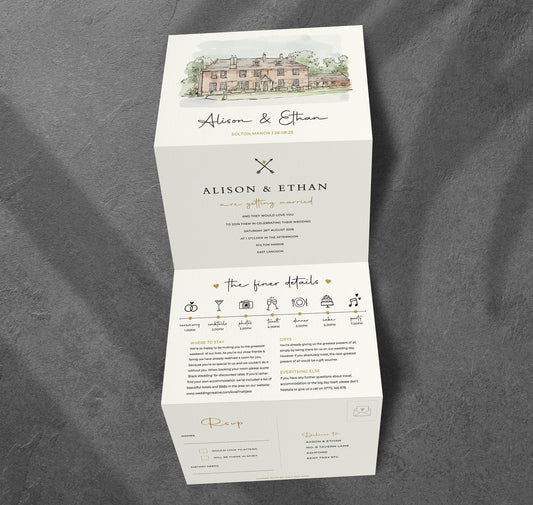
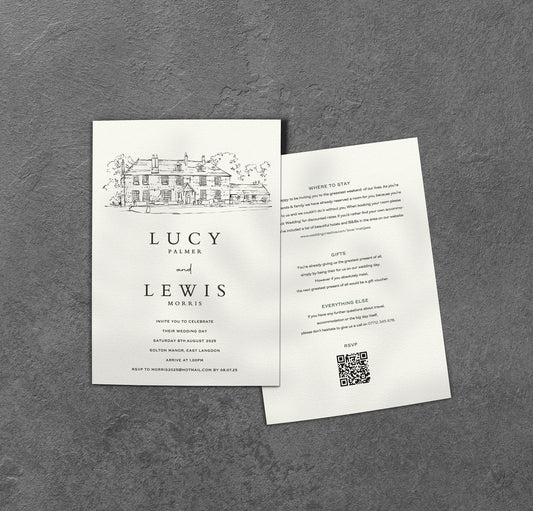
Including a QR code on your invitation or details card makes it easy for guests to access your RSVP page.

Email responses

For smaller weddings, asking guests to reply by email can work well, especially if most guests are comfortable online.

When RSVP Cards Still Make Sense

RSVP cards can still be useful in certain situations.

  • If you have many older guests who prefer post
  • If your wedding is very formal or traditional
  • If you would like a keepsake element

In these cases, including RSVP cards may feel more appropriate for your guest list.

How RSVP Choices Affect Your Wedding Stationery

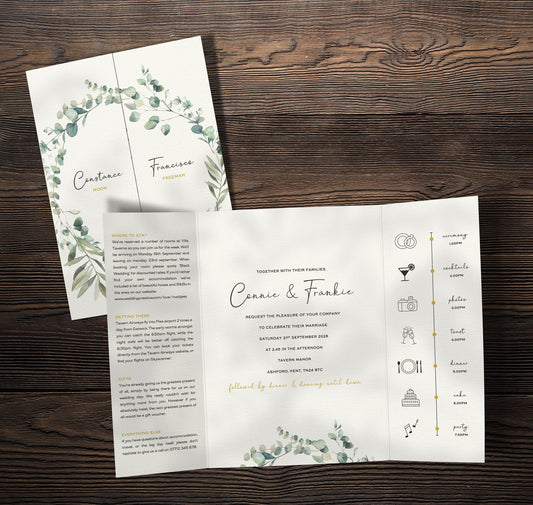
Removing RSVP cards often simplifies your stationery suite. Many couples now choose one main invitation card supported by a website or QR code.

This approach reduces printing, postage and the overall number of pieces guests need to manage.

Setting an RSVP Deadline That Works

Whether you use printed or digital RSVPs, setting a clear deadline is important. Most UK couples choose an RSVP date 3 to 4 weeks before the wedding.

This gives enough time to finalise catering numbers, seating plans and on the day stationery.

Keeping Things Clear for Guests

The most important thing is clarity. Guests should understand exactly how and when to respond.

Simple wording such as “Kindly RSVP by 1st June via our wedding website” is usually all that is needed.

Choosing What Works for Your Wedding

You do not need to include RSVP cards simply because they are traditional. Modern wedding stationery allows you to choose what suits your guests, your budget and your planning style.

If responding feels easy for guests, you have made the right choice.

Black and white photo of a person holding a smartphone displaying a QR code, representing digital RSVPs or mobile wedding information.
Back to blog

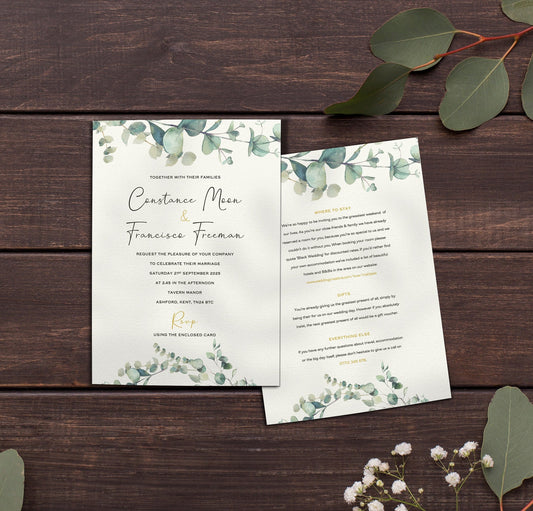
Once you’ve chosen your wording, selecting an invitation design that complements your tone helps create a cohesive first impression for your guests.

  • How many wedding invitations should we order?

    You only need one invitation per household or couple, rather than one per guest. It’s a good idea to order a few extra copies to allow for last minute additions or keepsakes.

  • What is the difference between day and evening wedding invitations?

    Day invitations are sent to guests attending the ceremony and wedding breakfast, while evening invitations are for guests invited to join you later for the reception. The wording and timings on each invitation should clearly reflect this.

  • When should wedding invitations be sent in the UK?

    Wedding invitations are typically sent 8 to 12 weeks before the wedding date. Evening invitations can often be sent slightly later, around 6 to 8 weeks before the day.

  • Can wedding invitations be personalised?

    Yes, most wedding invitations can be personalised with your names, wording, dates and venue details. Many couples also choose to personalise design elements such as colours, fonts or layouts to suit their wedding style.

  • What information should be included on a wedding invitation?

    A wedding invitation should include the names of the couple, the date and time, the venue details and RSVP information. Additional details such as dress code or accommodation are often included on an insert card or wedding website.

  • Do we need RSVP cards with our wedding invitations?

    RSVP cards are optional, but they are helpful for managing guest numbers. Some couples choose traditional RSVP cards, while others prefer online RSVPs through a wedding website.

  • Should wedding invitations match the rest of the stationery?

    Many couples choose to coordinate their invitations with the rest of their wedding stationery, including save the dates, order of service booklets and thank you cards, to create a consistent look throughout the day.

  • What style of wedding invitation should we choose?

    The style of your invitation should reflect the overall feel of your wedding. Classic designs suit formal celebrations, while modern or illustrated invitations work well for relaxed, contemporary or destination weddings.

Designed Wedding Invitations, Made Personal

At TavernCreative, we design wedding invitations that balance beautiful design with thoughtful wording. Every invitation is carefully considered to ensure it not only looks beautiful but also communicates the details of your day clearly and confidently. Many couples choose to personalise their wedding invitations to reflect their style, their story and the overall tone of their celebration, creating a first impression that feels both meaningful and memorable.

Written by TavernCreative – UK Wedding Stationery Designers